What motivates the monarch to take this dangerous trip? Their host plant – the milkweed is more abundant in North America, than it is in Central. Mexico has 6 species of milkweeds, while US has over a hundred. Yet, they can’t just stay in North America, since they can’t withstand temperatures below freezing being a tropical butterfly. Milkweed is poisonous, but Monarchs are able to digest it, and use it for protection against the predators. A bird that eats a monarch experiences a heart attack, and will not eat another monarch, or anything that looks like it (ex: Viceroy).
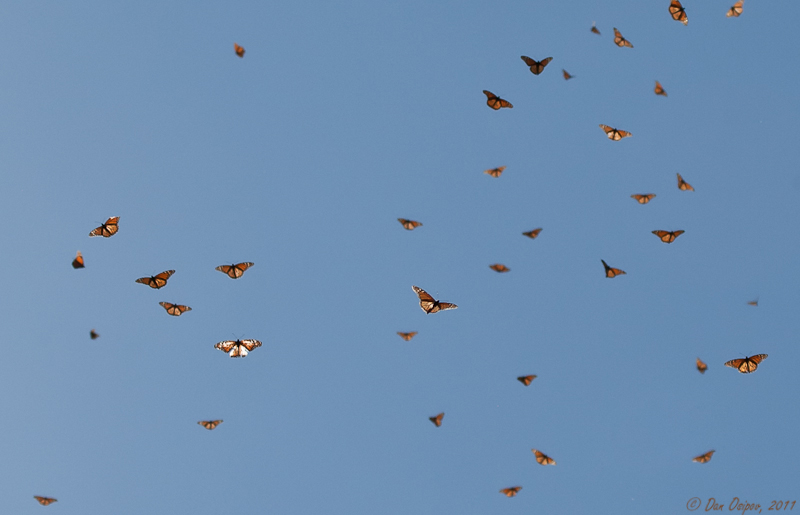
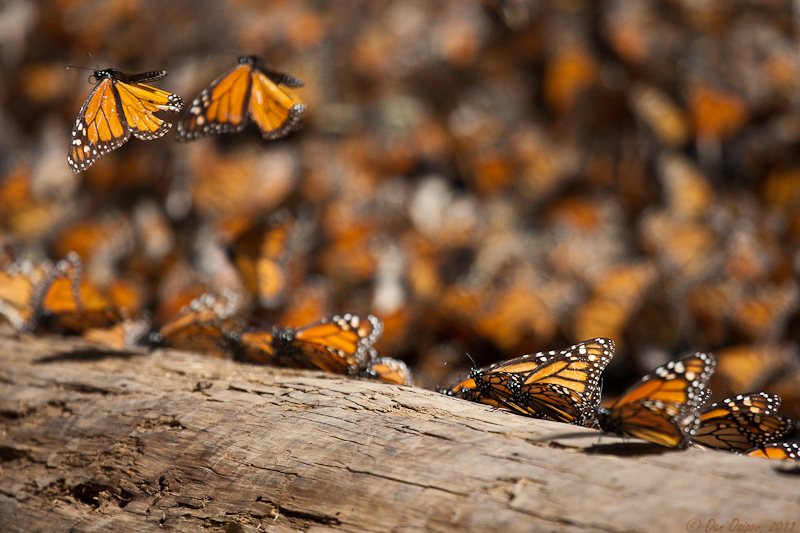
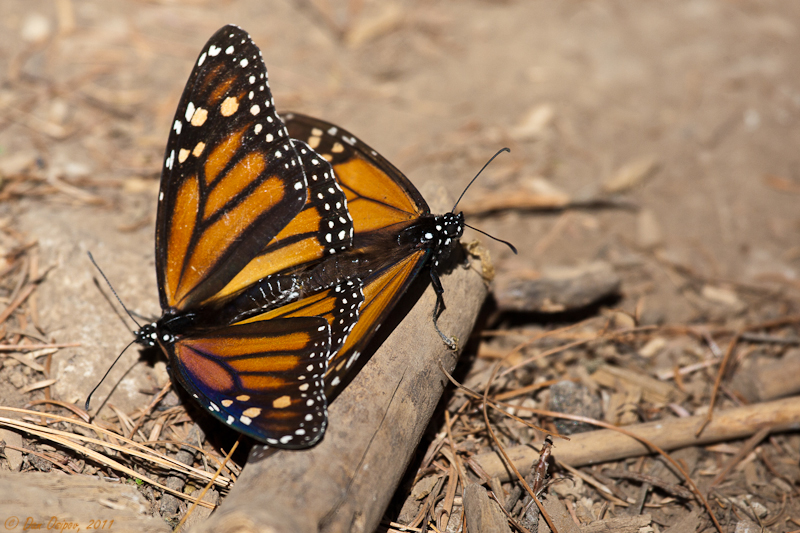
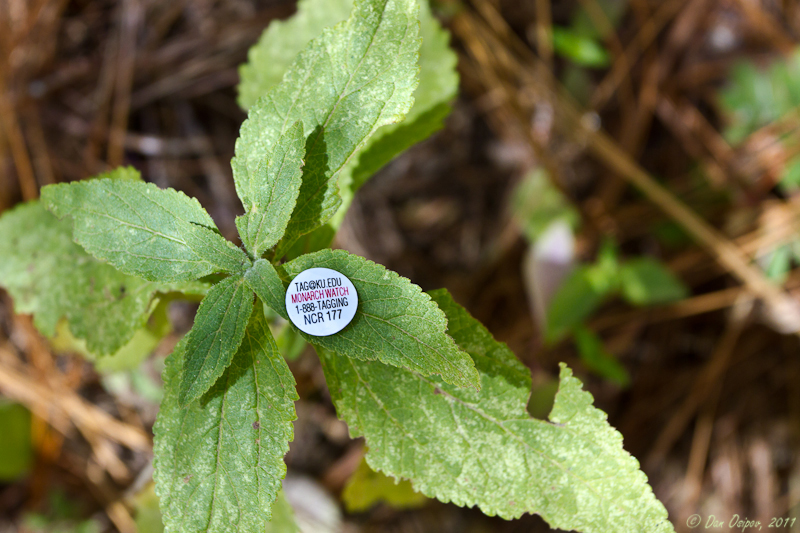
Monarchs take various paths in getting to Mexico. Some follow the coast down to Texas, feasting on flowers blooming thanks to the fall storms, then fly across the land to Mexico. Others fly down to Florida, to Cuba, then to Yucatan, then follow the land back North to the Transvolcanic range. Monarch’s wings are covered with scales that repel water, so they’re able to rest on the water, assuming the waves are not high, and then take off from the water. Not much more is known about the paths that monarchs take, but what is known has been discovered thanks to the Monarch Watch tagging program.
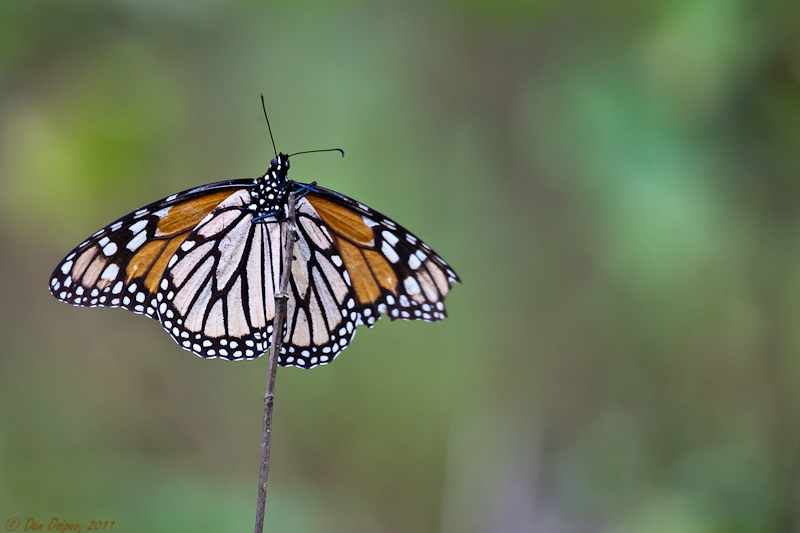
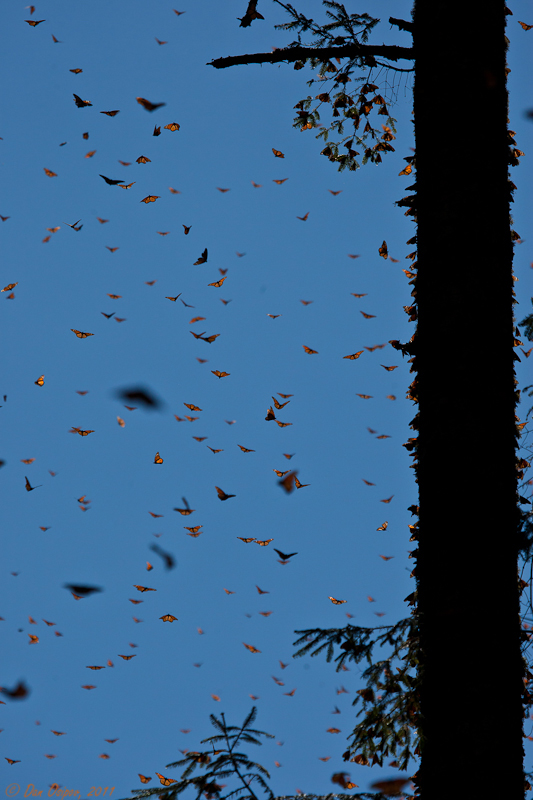
The monarch is a butterfly ruled by the sun. When the autumn sun reaches fifty two degrees above the horizon, monarch reproduction cycle shuts down, and migration is kicked off. The generation that flies to Mexico has never been there, yet they’re able to find the exact spot year after year where their grand-parents spent the winter. It is believed they use a combination of senses to reach their destination. They’re able to orient themselves to the sun by using polarized light. Then they’re able to sense the magnetic field of the earth thanks to small magnetic sensors in the base of their wings. This is also extremely helpful, since the mountains where they end up for the winter are of volcanic origin, and are thus rich in iron. Finally, the millions of monarchs every winter leave behind billions of microscopic scales, and its possible that the monarchs are able to detect these using chemical scents.
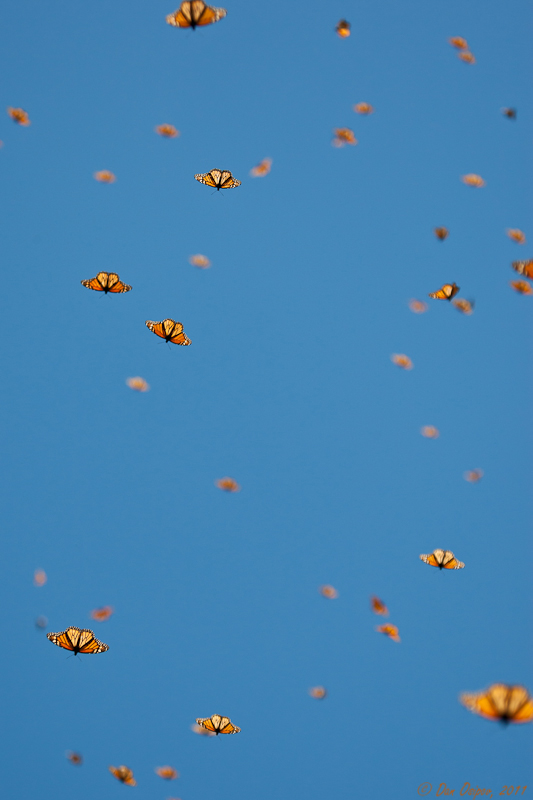
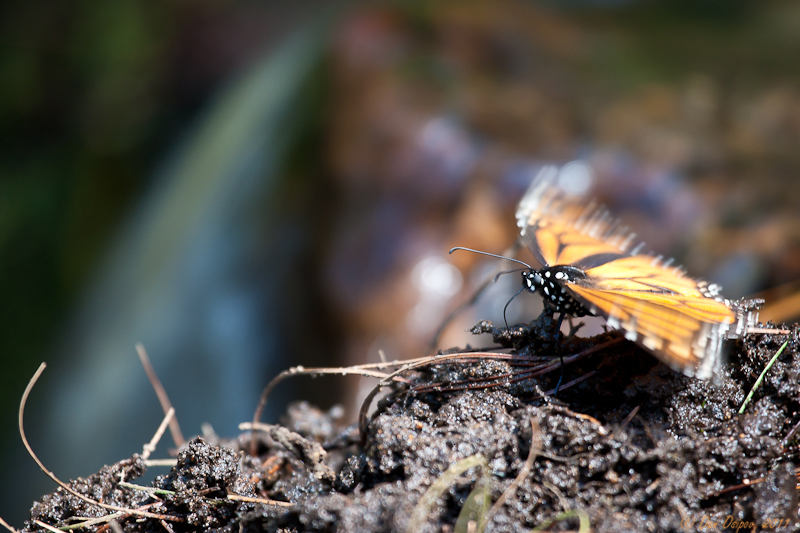
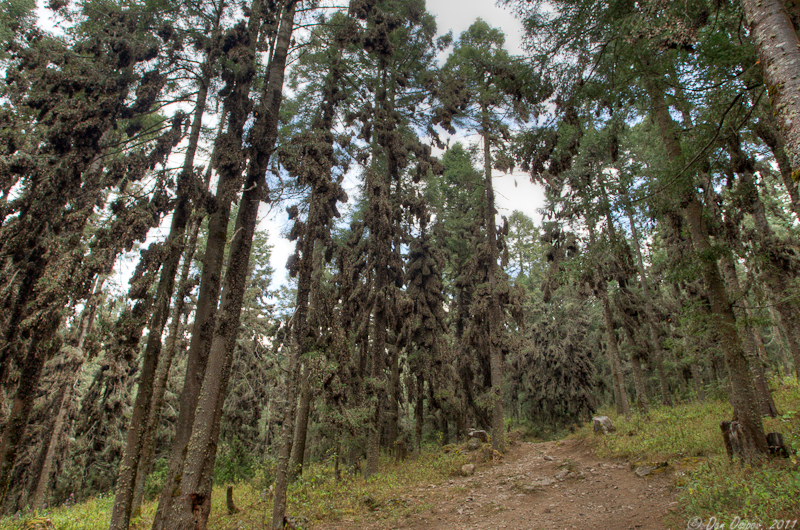
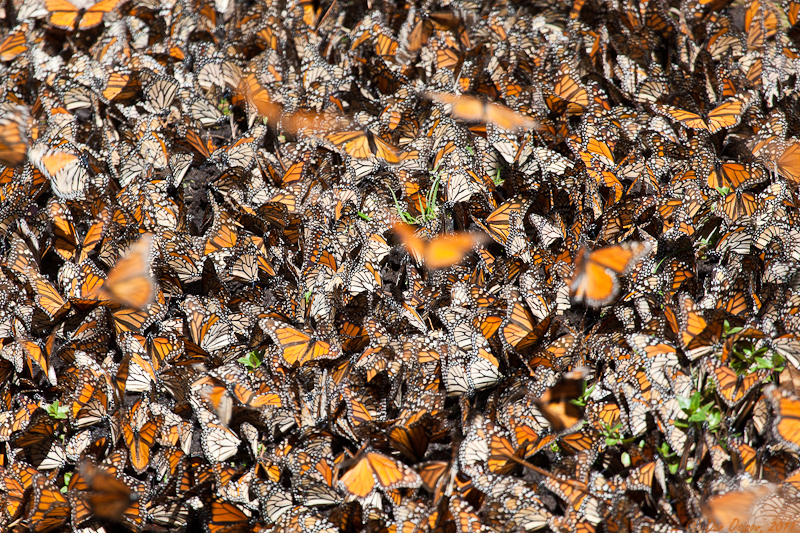
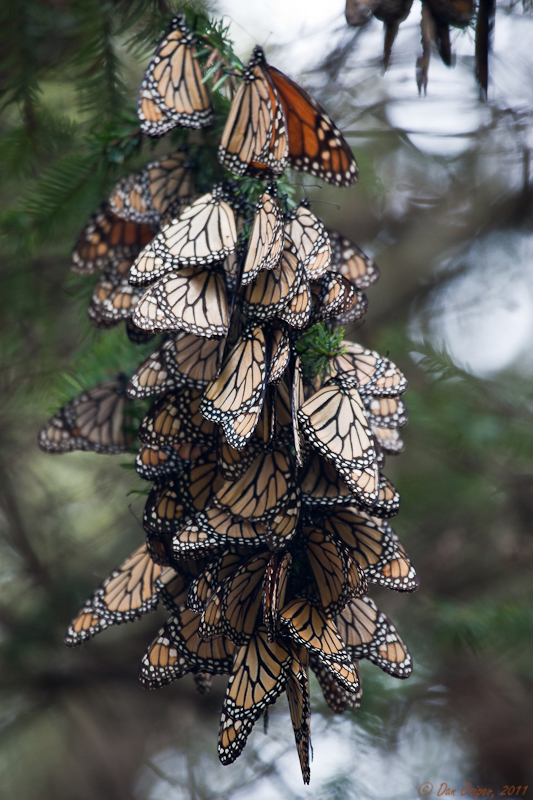
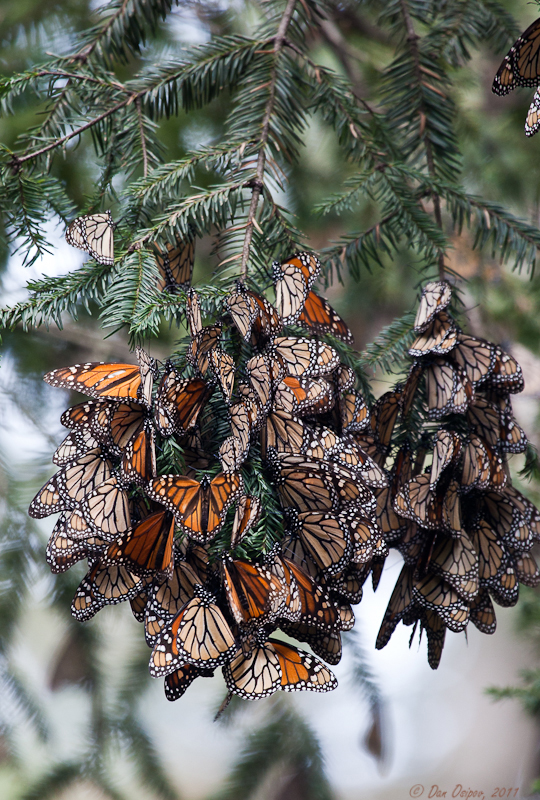
Once the monarchs reach their destination, they start accumulating in clusters, with the base butterfly holding on to the pine needle, and others holding on to its wings. These clusters can get several butterflies deep, with the temperature in the center of the cluster slightly higher than on the outside. But there is a danger, where a strong enough wind will cause the base monarch to lose grip and fall to the ground. Several mice in the region count on this, and are ready to eat the fallen butterflies. They even line their nests with monarch wings for decoration. Who can blame them?
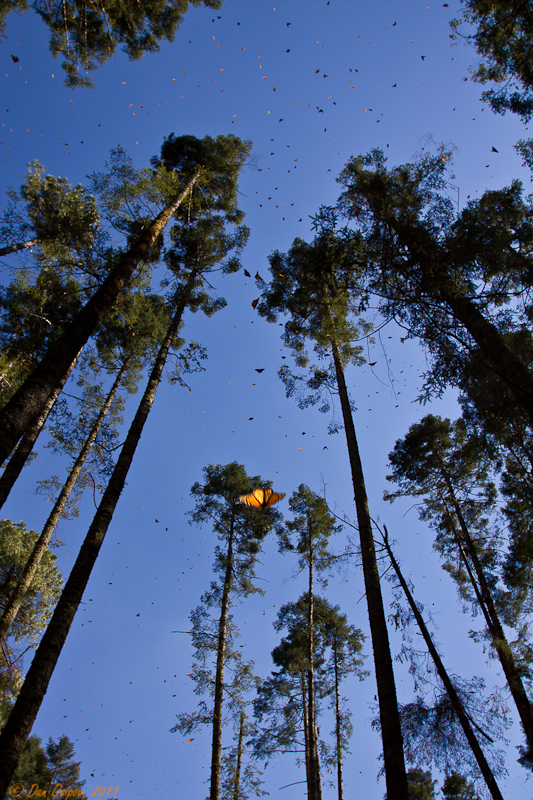
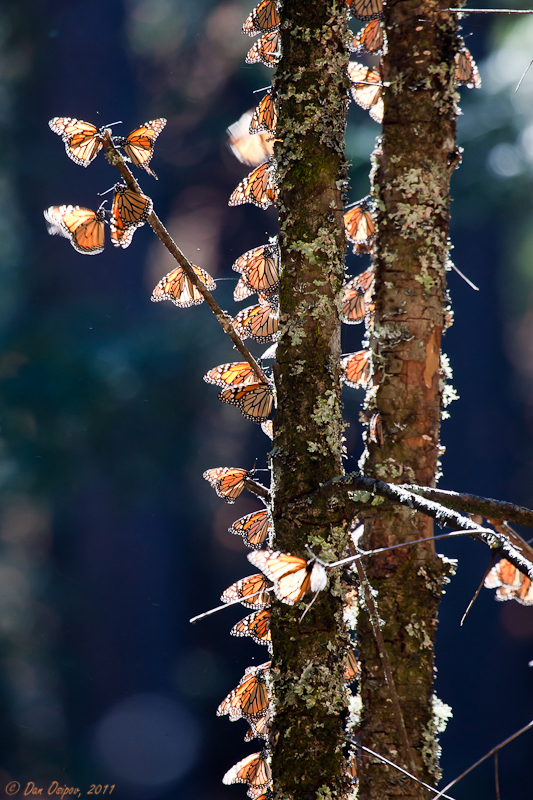
There are several factors threatening the monarch migration. The biggest threat to them is illegal logging. A biosphere reserve protects the locations of largest colonies, but local villagers frequently cut wood in the forests. The hundred year old pines they cut are critical to Monarchs survival of the winter, because their trunk holds heat, and monarchs layer the tree trunk relying on this heat source.
Another major threat is climate change. The migration relies on the timing of key events, for instance flowers blooming in Texas as they key food source for monarchs, or milkweed plants hatching. Any shifting in the timing of these events could threaten the entire phenomenon. Other threats are due to overpopulation, where wild fields are plowed over and used for agriculture, pesticides that are used poison the land, etc. No one wants to kill the monarchs, but unfortunately, they end up being collateral damage. Hopefully, we can preserve this amazing sight for our future generations.